THE YELLOW WASH JOURNAL · CEDAR ROOF CARE
The Homeowner’s Guide to Cedar Shake Roof Cleaning
What to assess before cleaning, when repairs come first, and why protective treatments are a separate decision.
A cedar roof should be assessed before a cleaning method is chosen. The first question is whether you are seeing surface growth, normal weathering, accumulated debris or a roofing defect. Cleaning can address a surface problem; it cannot put missing wood back or repair a leak.
For a Halifax or HRM homeowner, a useful starting point is a set of ground-level photos and the roof’s history—not a pressure-washer rental. This guide explains what to ask, what belongs in the quote and when to involve a roofer experienced with cedar.
Grey cedar is not automatically a dirty roof
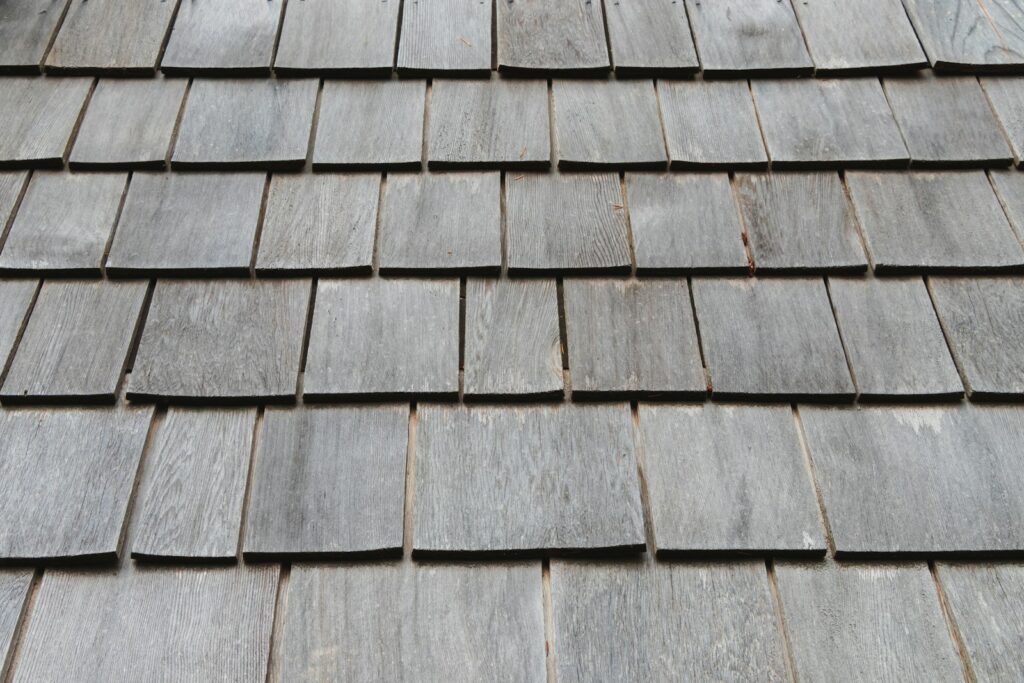
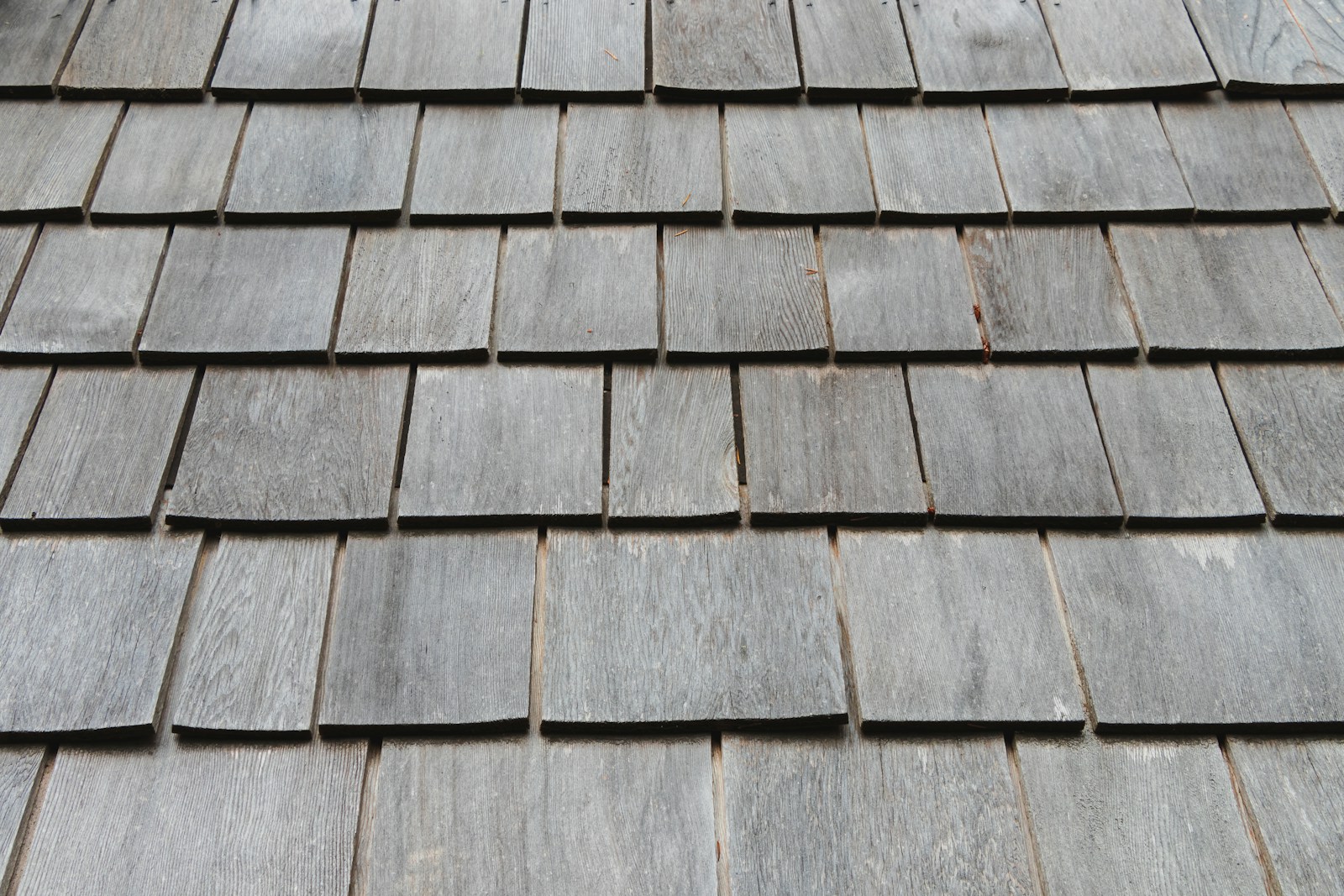
Cedar changes colour as it weathers. Oregon State University Extension describes sunlight, rain and wind altering the exposed wood surface; wetting and drying can also produce splits or cupping. Moss and lichens can trap debris and keep the roof wet longer. Those are different processes, even when they appear together. [1]
A photograph can help explain your concern, but colour alone cannot establish the roof’s condition. Ask the assessor to distinguish a cosmetic change from growth and damaged roofing. Do not make “back to new wood colour” the sole measure of a successful visit.
Four areas worth discussing during an assessment
- 1 · Surface growth. Point out the affected slope and whether the coverage has changed. Ask what can reasonably be removed and what appearance to expect afterward.
- 2 · Debris and nearby branches. Note leaf or needle buildup and overhanging vegetation. Ask whether debris removal and any tree work need separate arrangements.
- 3 · Drainage. Mention overflowing gutters or water repeatedly falling onto a lower roof. Include those areas in your photos.
- 4 · Roofing defects. Flag missing pieces, obvious damage or a leak. Ask a cedar-experienced roofer to assess these before cleaning is scheduled.
The Cedar Shake & Shingle Bureau (CSSB) recommends keeping branches away, maintaining gutters and downspouts, and leaving ventilation openings clear. It also advises against directing a downspout onto a lower roof surface. [2] In autumn, use visible leaf accumulation as a reason to arrange an assessment rather than climbing onto the roof to investigate.
Cleaning, preservation and repairs are different jobs
Ask the quote to separate these items. “Roof treatment” is too vague to tell you which problem is being addressed. Swipe the table on a small screen.
| Work category | Question it should answer | What to clarify |
|---|---|---|
| Cleaning and debris removal | What surface buildup needs attention? | Which roof areas are included? What will be removed, what may remain, and how will gutters and the ground be left? |
| Protective treatment | Is an additional product appropriate for this roof? | Request the product name, purpose, compatibility information and separate price. Do not assume it is part of cleaning. |
| Roof repair or replacement | Is the roof still performing properly? | Have a roofer define any repair scope and its timing. A cleaning quote is not a condition report or a leak repair. |
This distinction also makes quotes easier to compare. A lower price for a surface wash is not directly comparable with a proposal that includes debris collection, gutter work or a separately specified treatment. Ask both providers to describe the same scope before comparing totals.
Should a cedar roof be pressure washed?
The CSSB does not recommend power washing cedar roofs because it can cause serious damage. It notes that some debris can be removed at garden-hose pressure. [3] That is not a universal setting or a do-it-yourself instruction: the existing wood condition and the complete method matter.
Ask the contractor to describe the equipment, access method, debris-removal process, product and rinse requirements in writing. A term such as “soft washing” does not answer those questions by itself. Do not assume a method used on asphalt shingles is suitable for cedar.
Does cedar need a sealer after cleaning?
Do not automatically add a sealer. The CSSB advises against topical products described as sealants, waterproofers or plasticizers. For a proposed treatment, it calls for cedar-roof suitability, safety information and a manufacturer’s performance guarantee. [3] Request the documentation for the actual product rather than accepting “wood-safe” as the full explanation.
Check the roof’s existing treatment first. The CSSB says factory-treated Certi-Guard® and Certi-Last® products should not receive aftermarket roof treatments without written permission from their manufacturer. [2] Keep that permission with the quote if it applies to your roof.
If you do not know what was installed or applied previously, say so. Look for installation invoices, bundle-label records, warranty documents and earlier maintenance receipts. Send these before agreeing to a product. Cleaning, preservation and a new coating should never be treated as interchangeable words.
Your checklist before requesting a quote
| Send or ask about | Useful details |
|---|---|
| Roof identity | Approximate installation date; shakes or shingles if known; product and treatment records. Mark unknown details as unknown. |
| Photos and concerns | Whole-roof views from the ground, visible buildup and problem areas. Report leaks separately and say when they occur. |
| Previous work | Dates, contractor names and product names from earlier cleaning or treatments, if available. |
| Property access | Address, access restrictions, nearby gardens, outdoor belongings and areas shared with neighbours. |
| Proposed scope | Cleaning method, product, protection and cleanup arrangements, exclusions and any separate roofing work. |
| Completion and follow-up | Expected appearance, inspection or follow-up arrangements, weather delays and the written terms of any guarantee. |
Keep the checklist in an email with the photos so every provider receives the same information. You do not need to identify an organism or diagnose decay yourself. A clear description such as “green buildup on the shaded rear slope” is more useful than an uncertain diagnosis.
What should the roof look like afterward?
Agree on realistic expectations before work starts. Wood may retain colour variation and signs of age. OSU Extension notes that washing does not stop weathering, and the cleaned surface begins weathering again. [1] Ask what the proposed method will change immediately, what may change gradually and when the contractor wants to review the result.
Avoid choosing a service on a guaranteed “like-new” colour or a fixed number of extra roof years. Take comparison photos from the same safe ground-level position, ideally after the surface is dry, and discuss anything outside the agreed result. If a leak or damaged area remains, follow up with the roofing professional rather than requesting a stronger wash.
Requesting cedar roof help in Halifax and HRM
Yellow Wash’s standard roof-cleaning page describes its asphalt-shingle treatment. A cedar roof needs an individual suitability review; that published asphalt method should not be taken as a cedar specification. Tell us the material when enquiring so we can confirm whether the work is suitable and what assessment is needed.
Start with a custom roof assessment
Send your Halifax or HRM address, roof photos, approximate age and any treatment records through our quote form. Clearly state “cedar shake roof” or “cedar shingle roof.” Suitability, method and scope must be confirmed before booking.