THE YELLOW WASH GUIDE
Planning Your Condo’s 2027 Cleaning Budget: What to Include in the Scope
A practical scope checklist for Halifax condo boards: decide what needs cleaning, what needs a separate assessment, and what to confirm before approving the budget.

START WITH THE SCOPE
Build the cleaning budget from a list of surfaces, their condition, the visits actually needed, and the access required. Price routine cleaning separately from specialist stains and repairs. Then ask contractors to quote the same written scope, including equipment, water handling, exclusions and taxes.
If your Halifax or HRM condo board is preparing its 2027 budget, last year’s cleaning invoice is a starting point—not a complete plan. A newly stained balcony, a changed garbage collection arrangement or extra access restrictions can change the work even when the building’s size stays the same.
Use this guide to prepare a clear request for pricing, whether you manage a single condo building, a townhouse community or several properties. The table below is a planning aid, not a fixed service schedule or a price estimate.
1. Confirm who is responsible before asking for prices
Start with the corporation’s declaration, description, by-laws and existing contracts. Do not assume balconies, exterior windows and townhouse walls have the same ownership or maintenance arrangements in every building. Nova Scotia’s condominium guidance specifically explains that these boundaries differ between corporations and can affect who pays for window washing or exterior work. [1]
For each area, record who authorizes the work, who pays, and whether access through a resident’s unit is required. For an HOA or another shared-property arrangement, use its own governing documents rather than assuming condominium rules apply.
2. Use this scope checklist for your building
Walk the property with the manager or building contact. Add quantities, photos and known concerns to each relevant row. Keep “needs assessment” separate from work that is already understood; this avoids turning an uncertain stain or damaged surface into an assumed cleaning promise.
On a phone, swipe the table sideways to view all three columns.
| Area to assess | Define the cleaning scope | Confirm before budgeting |
|---|---|---|
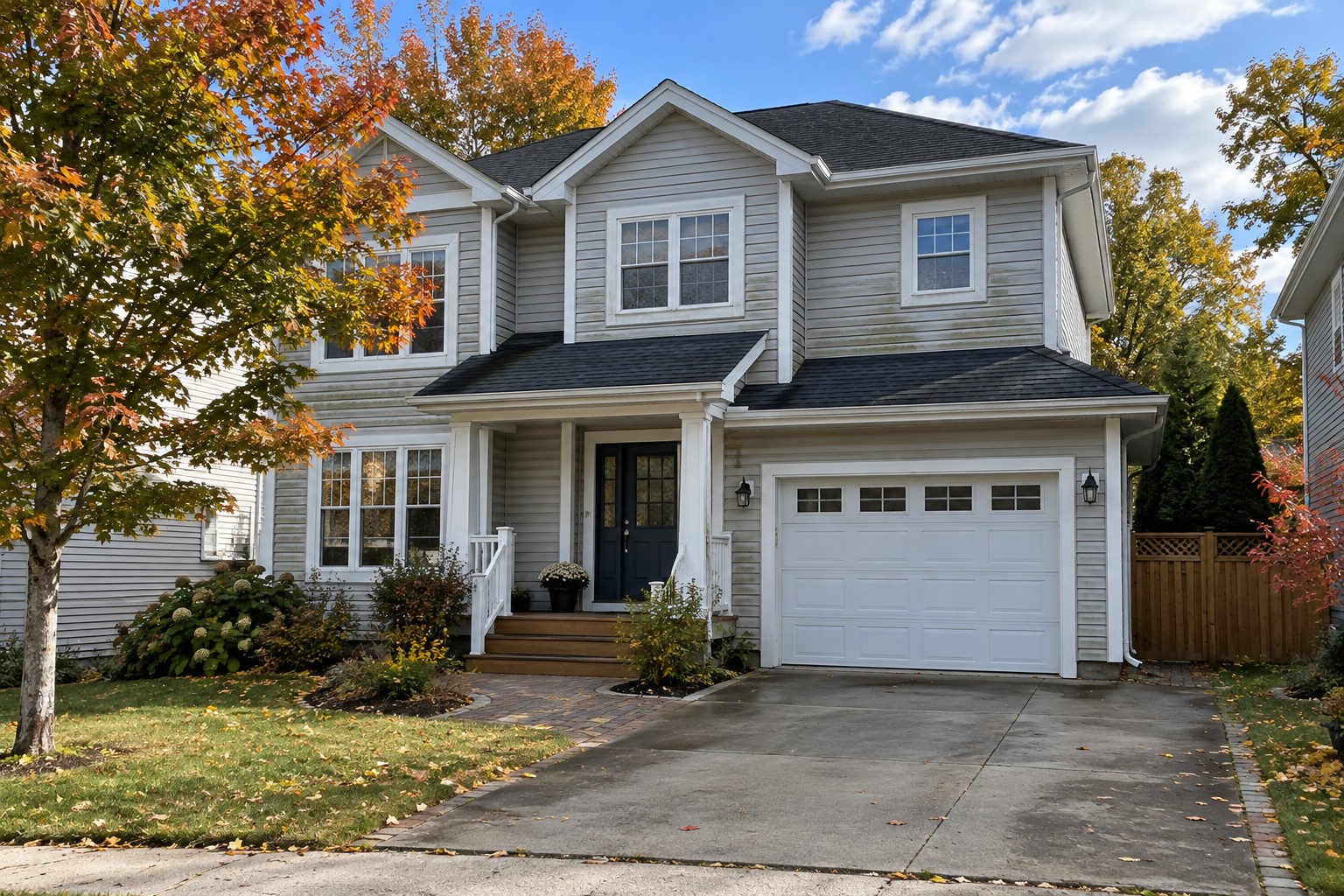
| Building exterior | List elevations, materials, approximate areas, height and ordinary buildup. Identify entrances, soffits and other features individually. | Flag damaged paint, coatings, joints or leaks. Specify any lift/access equipment and who supplies it. Specialist stain removal is included only when written into the scope. |
| Exterior windows | Identify glass areas, access height, obstructions and which frames or other details are included. | Separate window cleaning from a general building rinse. Confirm reachable areas, equipment needs and any specialist deposit removal. |
| Concrete balconies | Record the participating units and agreed floors, railings, glass and surrounding walls. | Yellow Wash’s balcony service is for concrete balconies. Confirm building approval, neighbour notices, access through units, interior water and power. Rust, BBQ grease and heavy bird waste need separate assessment. |
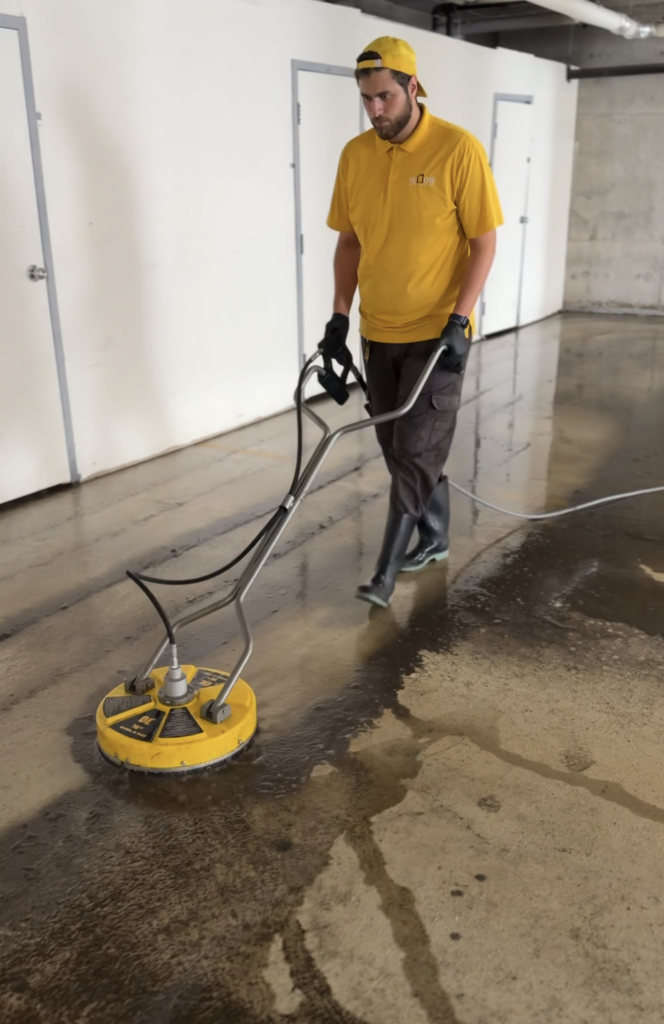
| Parkades & ramps | List levels, stalls, lanes, ramps and floor finishes. Identify oil spots and accumulated debris. | Agree on vehicle removal, closures, pedestrian routes and water handling. State whether drain-related work or specialist stain treatment is included; do not assume it. |
| Garbage & bin areas | Identify floors, walls, bin interiors/exteriors and the area under bins. Note grease or persistent residue. | Coordinate with pickup and empty-bin access. Clarify bin movement, included drain work and whether additional treatment is required. |
| Walkways, steps & patios | Map the surfaces and approximate areas; note coatings, loose material, joint condition and nearby landscaping. | Keep cleaning separate from repairs, sealing and joint-sand replacement. Yellow Wash does not provide patio sanding or re-leveling. |
| Bird waste & unusual stains | Photograph affected areas from a safe position and describe current conditions without disturbing buildup. | Request an assessment and a separately defined scope. Do not assume ordinary washing includes heavy waste, pest control or complete stain removal. |
The Yellow Wash condo services hub connects these services. For a detailed scope, review building washing, commercial windows and parkade cleaning.
3. Match frequency to condition and use
A building-wide “once a year” instruction can be too blunt. Review each area’s actual condition, traffic, exposure, resident concerns and previous cleaning records. A busy bin area may need a different plan from a sheltered facade. Ask for the reason behind each proposed frequency instead of applying one interval to everything.
CMHC’s operations manual recommends defining cleaning tasks, standards, schedules and responsibilities, then following up on the work. That is a useful structure for your contractor brief. [2]
- Autumn 2026: review completed work, record outstanding issues and request 2027 pricing with a validity date.
- Before each 2027 service window: confirm conditions, access, resident notices and any other contractors working nearby. Leave room for weather-related changes.
- After each visit: compare the completed scope with the invoice and record when the next condition review is due.
For Halifax properties, discuss winter exposure and the timing of any spring cleanup as part of the assessment. Do not treat a preferred month as guaranteed availability or schedule wet exterior work without considering temperature, drying and safe access.
4. Include the logistics that can change the quote
Two similar-looking properties can require different arrangements. Give every bidder the same information about water and electrical access, working hours, lifts, parking, elevator bookings and restrictions around residents. Ask who supplies and pays for each item.
For balcony work, confirm the route through each unit and who will arrange approval and notices. Our balcony water-control guide explains the planning questions in more detail. For parkades, agree on which vehicles must move and who decides when cleaned areas can reopen.
Ask where wash water will be collected and discharged; the presence of a drain does not answer that question. Halifax Water identifies street catchbasins as part of the stormwater system, intended for rainwater runoff. The contractor should confirm a suitable water-handling plan for the job. [3]
5. Turn the scope into an annual budget
For each service, record the accepted price per visit and the number of planned visits. Add separately priced one-time work and any access, equipment or disposal charges that are not already included. Record taxes consistently and keep optional work clearly marked so it is not counted as approved spending.
Annual cleaning allowance
Total of agreed visits + approved one-time work + separately charged logistics + applicable taxes + any specifically approved allowance for unresolved scope.
Avoid counting bundled services twice. A quote should make clear what is included, what is optional and what still requires assessment.
Keep routine cleaning distinct from major repair or replacement planning. CMHC generally places window washing and pressure washing in operating and maintenance budgets; Nova Scotia’s guidance describes reserve funds as provision for major repairs and replacements. Have the manager or accountant confirm the treatment of any mixed restoration project against your corporation’s documents and applicable requirements. [2] [1]
Rather than adding an unexplained percentage, name the uncertainty: an unassessed stain, a pending access decision or an area awaiting measurement. Request a separate price or define who must approve that extra work. A cleaning quote is not a reserve-fund study.
6. Send one clear brief to every contractor
- Building address, main contact and the person authorized to approve work.
- The completed area list, measurements where available, and dated photos of the conditions.
- Required surfaces, expected outcome and the specialist treatments to price separately.
- Proposed visits or service windows, with weather and access constraints.
- Water, power, equipment, vehicle relocation and resident-notice responsibilities.
- A request for itemized pricing, taxes, exclusions, quote validity and the approval process for additional work.
- The completion photos, walkthrough or service record you want included in the price.
A useful scope is specific enough to check. For example: “Clean the identified parkade floor areas after vehicles are relocated; quote the marked oil spots separately; confirm water handling and reopening arrangements.” This is an example of wording—not a description of a completed Yellow Wash project.
7. Make next year’s planning easier
Keep the approved quote, final scope, invoice and completion record together. Note any inaccessible areas, stains remaining after treatment and repairs recommended for separate assessment. Review that record before renewing the work: it helps the board decide whether to repeat, adjust or reassess a service.
Do not automatically increase cleaning frequency to solve failed paint, damaged concrete or a recurring source of contamination. Those conditions may require another trade or a different maintenance decision.
Plan your building’s next clean with Yellow Wash
Send your Halifax or HRM property address, area list, photos, preferred timing and access requirements. Yellow Wash can assess the requested services and provide a defined commercial scope for your board to review.